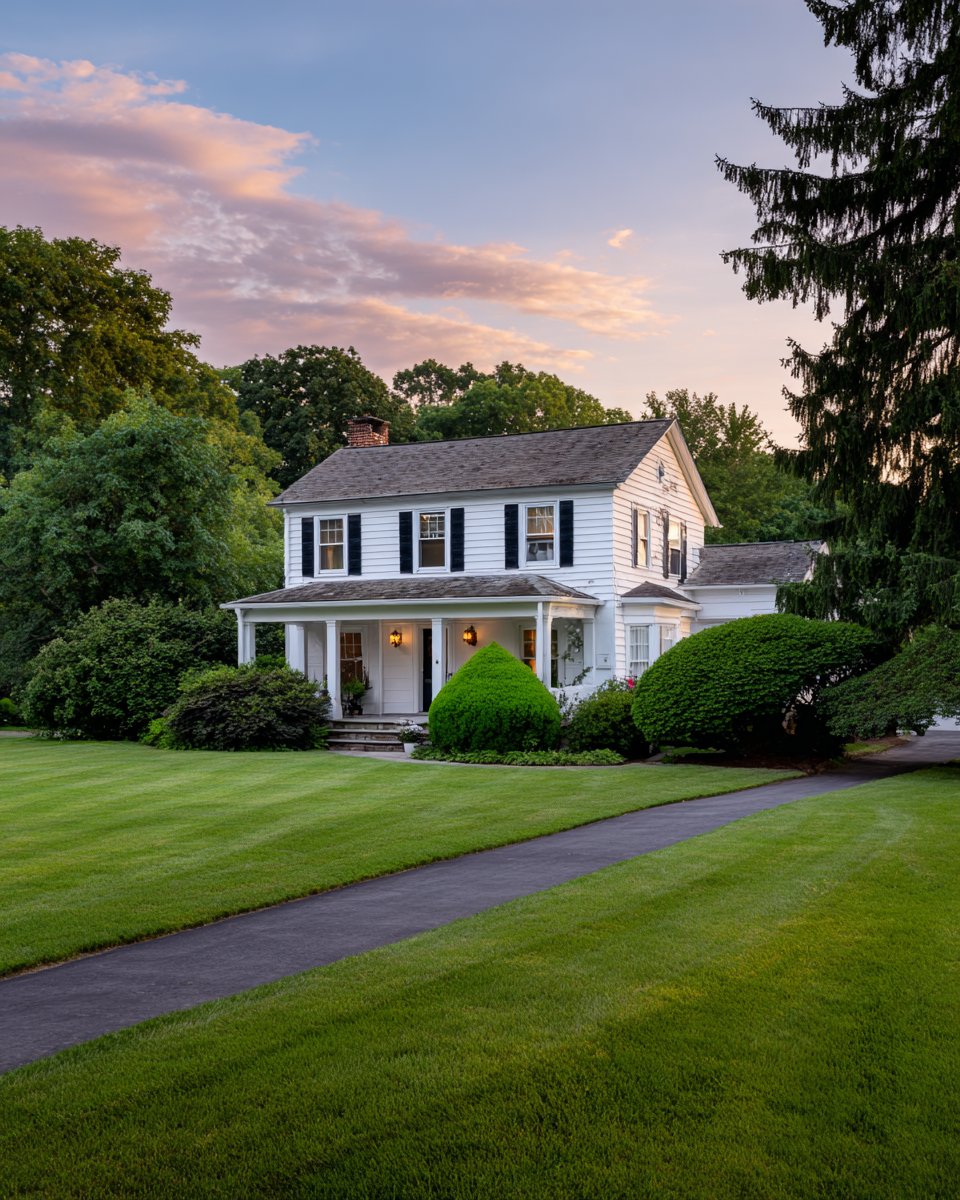
Selling A Home In Lowell And Nearby Country Neighborhoods
Liz Rhoda July 16, 2026
Liz Rhoda July 16, 2026
If you are selling a home in Lowell or one of the nearby country settings, you are not just selling square footage. You are selling a mix of house, land, utility setup, road approach, and location feel. That can make your next steps feel a little more complex, but it also gives you more ways to show value when your property is prepared well. In this guide, you’ll learn how to position a Lowell-area home clearly and confidently so buyers can understand what makes it worth a closer look.
Lowell is not one uniform market. The City of Lowell is a small community of 4,142 residents, shaped by the Flat and Grand Rivers, with flatter downtown and west-side areas, hillier ground on the east side, and some river-adjacent spots that can flood seasonally.
That matters when you sell because buyers are often comparing very different property types. An in-town home near downtown, a house on the edge of the city, and a country property in Lowell Charter Township may all fall under “Lowell,” but they do not present the same way or attract the same questions.
The surrounding township adds another layer. Lowell Charter Township has a more rural profile, with 6,447 residents across 32.57 square miles, a 92.5% owner-occupied housing rate, and a median owner-occupied home value of $321,600. In areas like this, buyers often look closely at the parcel itself, not just the interior finishes.
When buyers shop in Lowell and nearby country neighborhoods, they are often evaluating the full setting. They may care about commute access, lot usability, privacy, views, outbuildings, tree lines, and whether the home feels more in-town or more rural.
Lowell also benefits from a lifestyle story that reaches beyond the house. Lowell Area Schools serves surrounding rural areas and is located about 18 miles east of Grand Rapids. Outdoor features like Fallasburg Park, the Flat River covered bridge, wooded spaces, hiking, disc golf, and the expanding Grand River Greenway trail network also help buyers picture day-to-day life in the area.
The key is to present these features factually and clearly. Buyers respond best when they can quickly understand how the home, the land, and the location work together.
Even in an active market, pricing needs to be specific to your property. In June 2026, Realtor.com labeled Lowell a seller’s market, with 83 homes for sale, a median listing price of $449,900, a median sold price of $409,900, a median 20 days on market, and homes selling at about 100% of asking price.
Those numbers are encouraging, but they do not mean every home should be priced the same way. In Lowell, price can shift based on acreage, improvements, views, road access, utility systems, and whether the property feels more like a city home, edge-of-town property, or true country setting.
That is why broad averages only tell part of the story. A thoughtful pricing strategy should reflect the exact package a buyer is getting, not just the ZIP code.
One of the biggest mistakes sellers make with country or small-town properties is focusing too much on the inside and too little on the land. In Lowell, that can leave buyers confused about what is actually being offered.
Your marketing should help buyers understand the full property at a glance. That often means documenting:
On wooded or varied parcels, wide exterior photos can make a big difference. Leaf-off images can also help buyers see lot lines, terrain changes, and how the land lays, especially in hilly or heavily treed areas.
In a subdivision, buyers can often fill in the blanks. In Lowell-area country settings, they usually cannot. If your home has acreage, outbuildings, a private well, a septic system, or unusual topography, buyers need more context to feel confident.
That means your preparation should go beyond decluttering and staging. You want the whole property to feel understandable, from the house itself to the systems and land features that come with it.
Clear presentation can reduce hesitation. It also helps buyers compare your home to the right competing properties instead of treating it like a vague “country charm” listing.
If your property is not connected to municipal utilities, gathering system information early is an important step. Kent County Health Department says site evaluations and permits are required for on-site well and septic systems, including some subdivisions, site condominiums, and land divisions.
The Michigan Department of Environment, Great Lakes, and Energy also says a single-family private well must be at least 50 feet from a septic system. Buyers may ask practical questions about system location, age, maintenance, and approvals, so it helps to be prepared before your home goes live.
This does not mean you need every possible document in hand on day one. It does mean early organization can save time later and create a smoother showing and negotiation process.
If your property is near the river or low-lying ground, expect questions. The City of Lowell planning document notes that Grand River areas are prone to seasonal flooding, especially in spring, and the city zoning map includes a Floodplain Overlay District.
That does not automatically make a property harder to sell. It does mean buyers may want clarity on flood history, insurance, and how the site has functioned over time.
Honest, organized information builds trust. It also helps serious buyers move forward with fewer surprises.
Inside the home, traditional staging still matters. Clean rooms, simple styling, and a bright, well-maintained feel help buyers focus on the space rather than distractions.
Outside, though, the goal is different. Instead of treating the exterior like a standard suburban listing, you want to show how the property functions. Buyers should be able to understand the lot, the utility setup, the outbuildings, and the setting before they ever pull into the driveway.
That balanced approach matters in Lowell. The market is active, but buyers still respond best to sharp pricing and clear presentation.
Not necessarily. Acreage can add value when it is usable, maintained, and easy for buyers to evaluate.
If the land is difficult to access, hard to understand, or lacks clear functionality, pricing can become more complicated. Larger parcels are not automatically worth more just because they are larger.
In Lowell’s mix of in-town, edge-of-town, wooded, and river-influenced settings, buyers often pay for usability and clarity. The more clearly you can show how the land works, the easier it is to support value.
If you are getting ready to list, your plan should reflect both the house and the setting. A strong pre-listing strategy often includes:
This kind of preparation helps your listing stand out for the right reasons. It also creates a calmer experience for you once showings begin.
Selling in Lowell and the nearby country neighborhoods is more nuanced than selling a typical neighborhood home. The market includes small-town homes, rural parcels, river-adjacent properties, and edge-of-city settings that all need slightly different positioning.
That is where hands-on guidance can make a real difference. When your pricing, presentation, and property details all line up, buyers have an easier time seeing the value in your home.
If you are thinking about selling in Lowell or nearby in Kent County, Liz Rhoda & Co Real Estate offers thoughtful, personalized guidance to help you prepare, price, and market your home with clarity and confidence.
Discover a real estate experience defined by trust, expertise, and heartfelt dedication. We lifelong understanding of what “home” truly means guides every client and every decision.