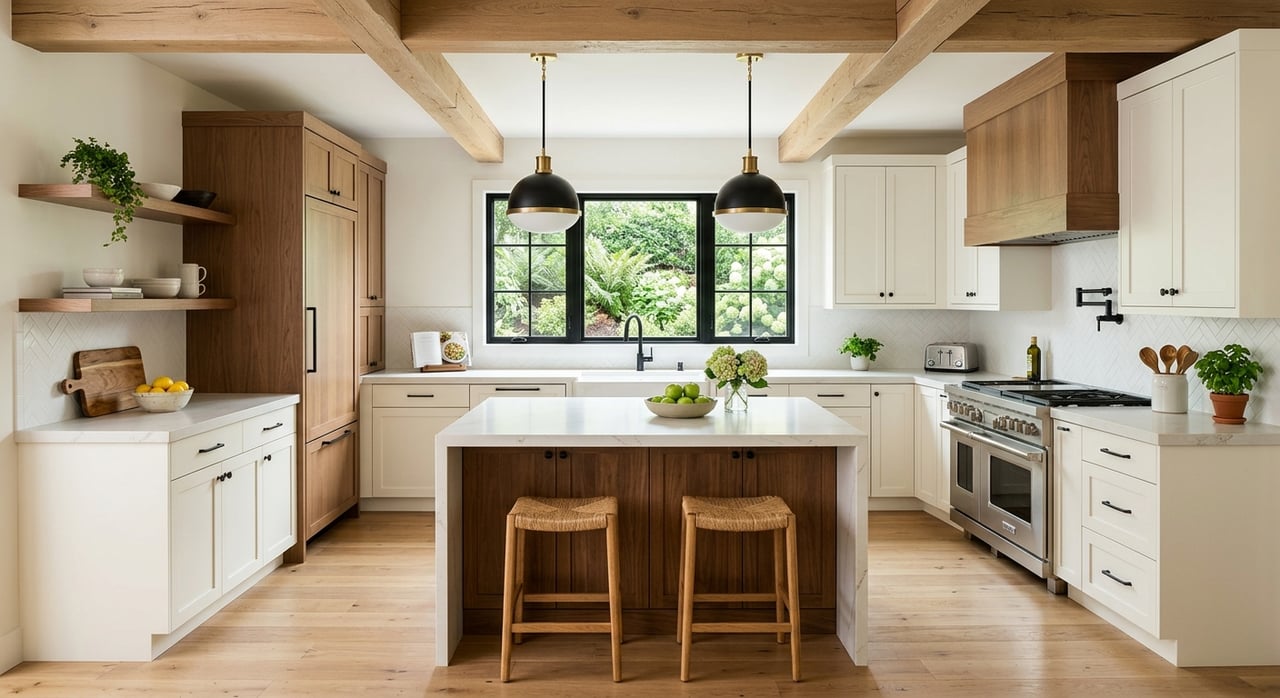
How To Prepare And Price Your Rockford Home To Sell
Listing Strategy Liz Rhoda May 7, 2026
Listing Strategy Liz Rhoda May 7, 2026
Selling Your Rockford Home: A Smarter Plan Than "List High and Hope"
Want a strong price for your home? The temptation is simple: list high, sit back, let the market do the rest. The problem is today's buyers are paying close attention — to condition, to pricing, to how your home stacks up against what just sold down the street. A smart plan helps you stand out, lowers your stress, and protects what actually ends up in your pocket.
Here's how to set yourself up.
Price From Sold Comps — Not Wishful Thinking
One of the most common seller mistakes is pricing against the highest active listing in the neighborhood. The catch? Active listings show what sellers hope to get. Sold comps show what buyers actually agreed to pay. Big difference.
In Rockford, where homes are moving in roughly 7 to 33 days, overpricing costs you momentum fast. The first two weeks of a listing are your prime window — squander them on a price buyers scroll past, and you're playing catch-up.
The right approach starts with recent solds that actually match your home — neighborhood, size, lot, age, updates, condition. From there, adjust for the things buyers notice immediately: kitchen updates, roof age, curb appeal, layout, deferred maintenance.
Think in terms of a range, not a magic number. Rockford has real price diversity, and the right price is the one that reflects today's buyer expectations — not the amount you need your sale to cover.
Focus on Net Proceeds, Not Just List Price
A higher list price doesn't automatically mean more money in your pocket. What matters is your net — what you keep after the costs of selling.
I can run you a net sheet with all the state and county transfer fees and tax prorations specific to Rockford. These aren't the biggest line items, but they're part of the real math. When you weigh likely sale price, timing, repairs, and closing costs together, you get a much clearer picture of your next move — especially if you're buying at the same time.
Prepare the Home Buyers Actually See
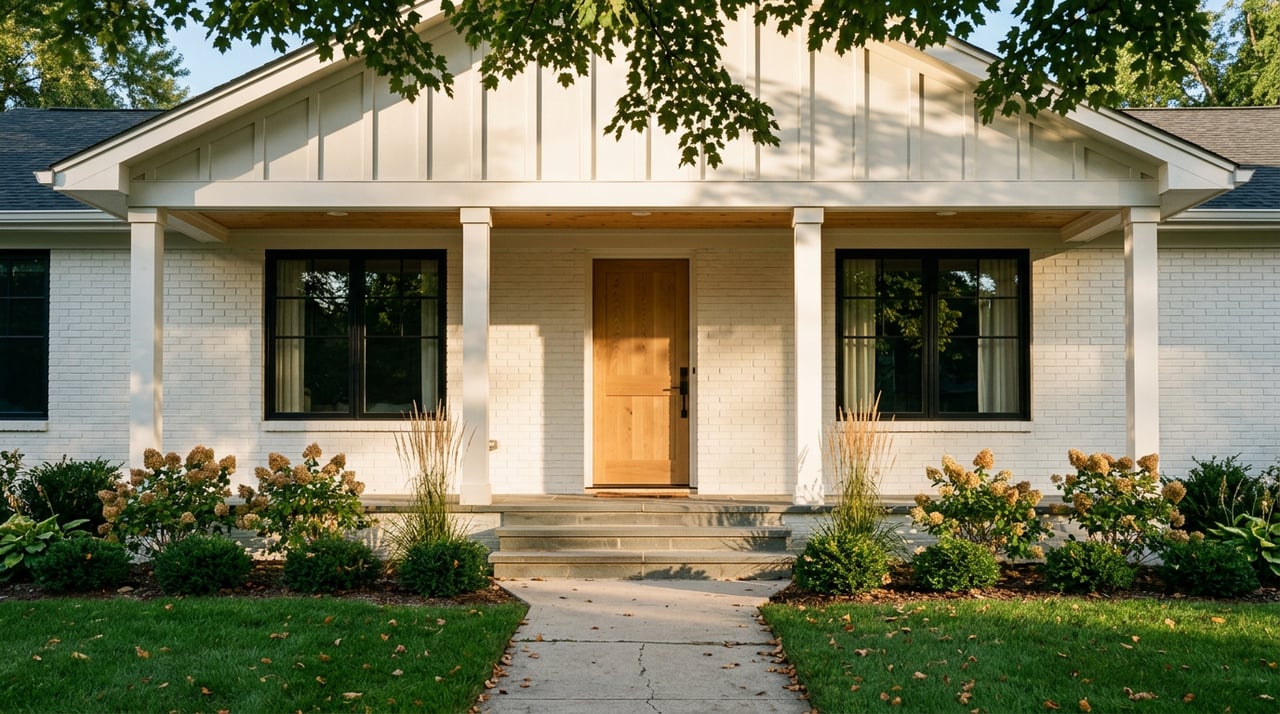
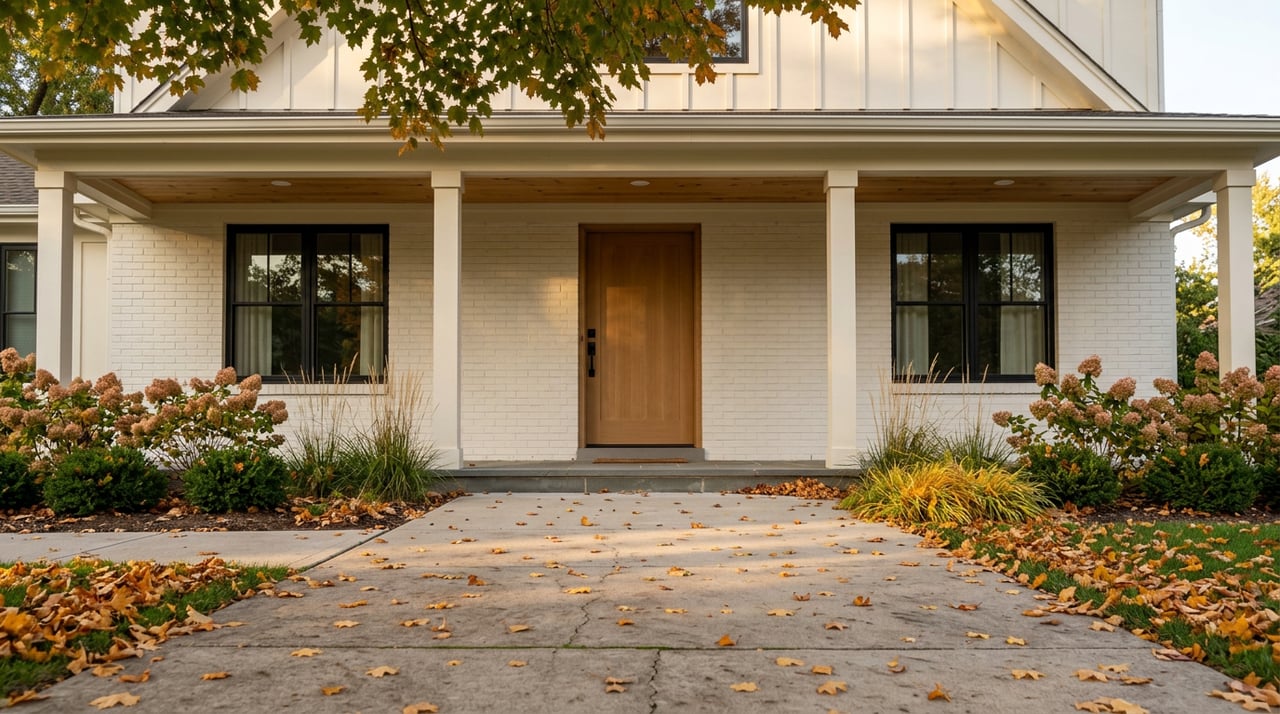
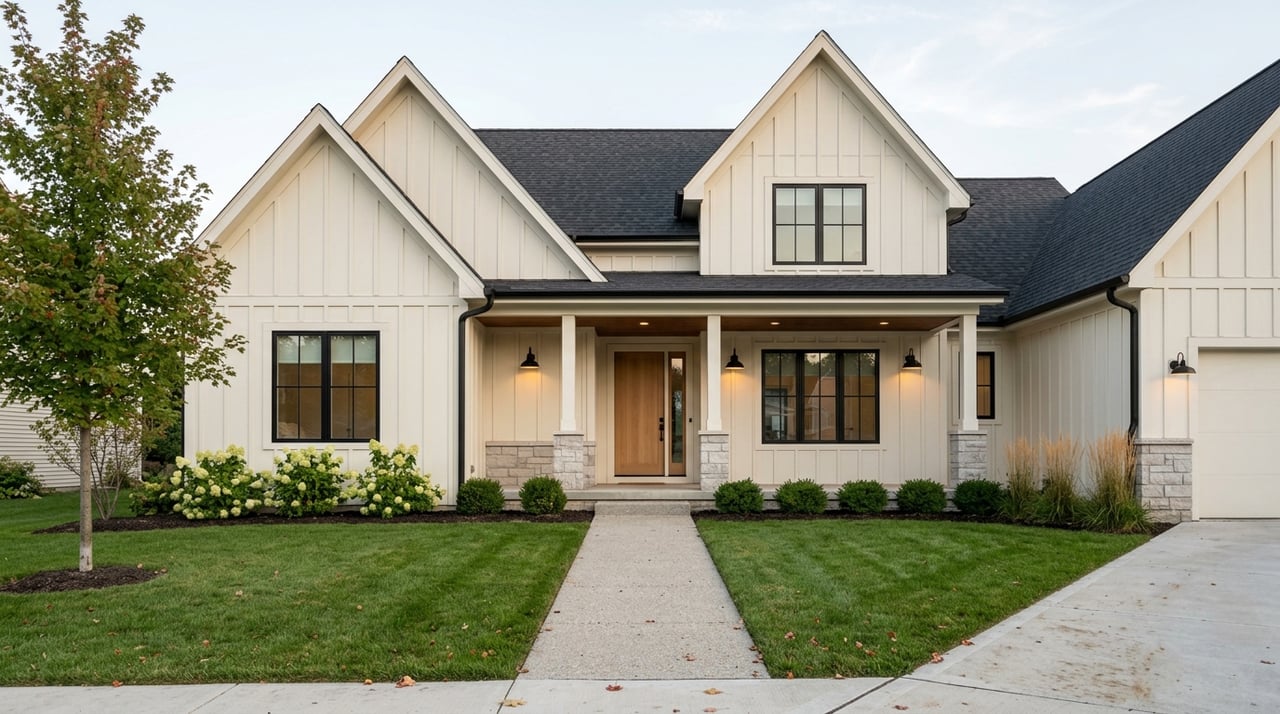
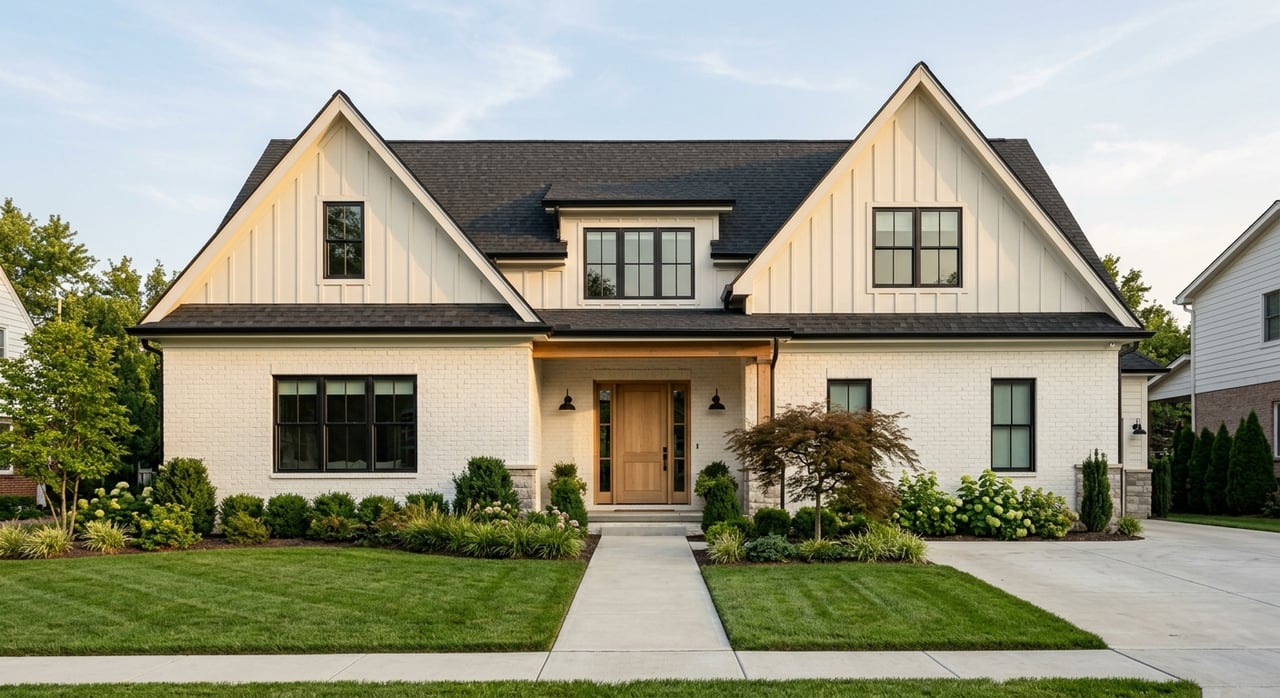
Before you even think about photos, walk through your home like a buyer would. Then walk out to the road and look at it the way they'll see it from their car. That first impression is everything.
Buyers notice cleanliness, maintenance, light, smell, and overall presentation before they notice your hidden upgrades. According to NAR, smart pre-listing prep usually includes:
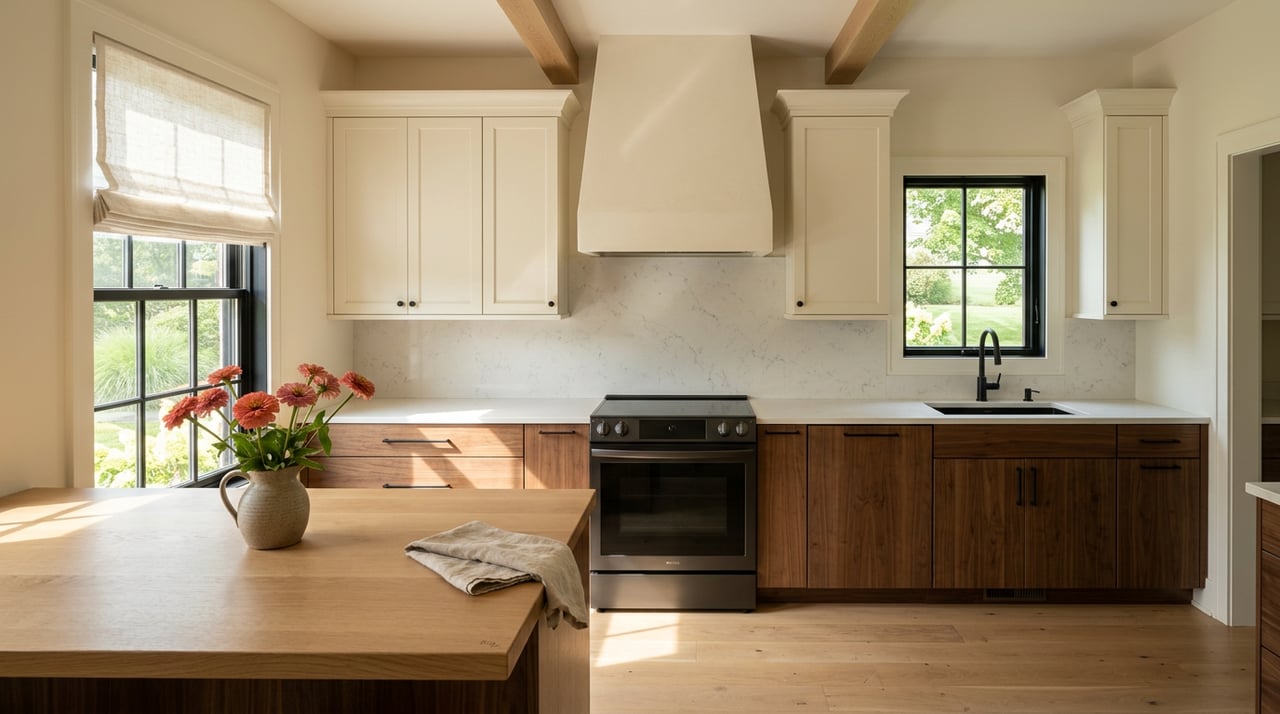
For online marketing, presentation matters even more. Buyers are scrolling fast and judging quickly. The spaces most likely to land in your listing photos — front entry, kitchen, main living area, primary bedroom — need to look clean, bright, and uncluttered before launch.
Repair What Buyers Notice First
You don't need to renovate the whole house. But you do need to address the things that make buyers pause and start wondering what else is wrong.
A pre-sale inspection isn't required, but it can be a useful tool. NAR notes it may surface issues with structure, exterior, roof, plumbing, electrical, or HVAC. Even if you choose not to fix everything, knowing what's coming gives you time to plan, budget, or price accordingly.
If your budget is tight, prioritize repairs that are visible, safety-related, or likely to come up in negotiation. A dripping faucet, cracked trim, stained carpet, loose handrail, or a beat-up front door leaves an outsized impression. Buyers assume obvious deferred maintenance means there's more hiding behind the walls.
Stage Strategically — Not All-or-Nothing
Staging helps, but it's not all or nothing. The 2025 NAR staging report found that 83% of buyers' agents said staging made it easier for buyers to picture themselves in the home. That matters when buyers are scrolling fast and deciding what to actually go see.
But staging isn't a guaranteed price booster — the same report found 41% of buyers' agents said staging had no impact on the offer amount. So full-service staging makes sense for some homes, while decluttering, simplifying, and fixing visible issues delivers better value for others.
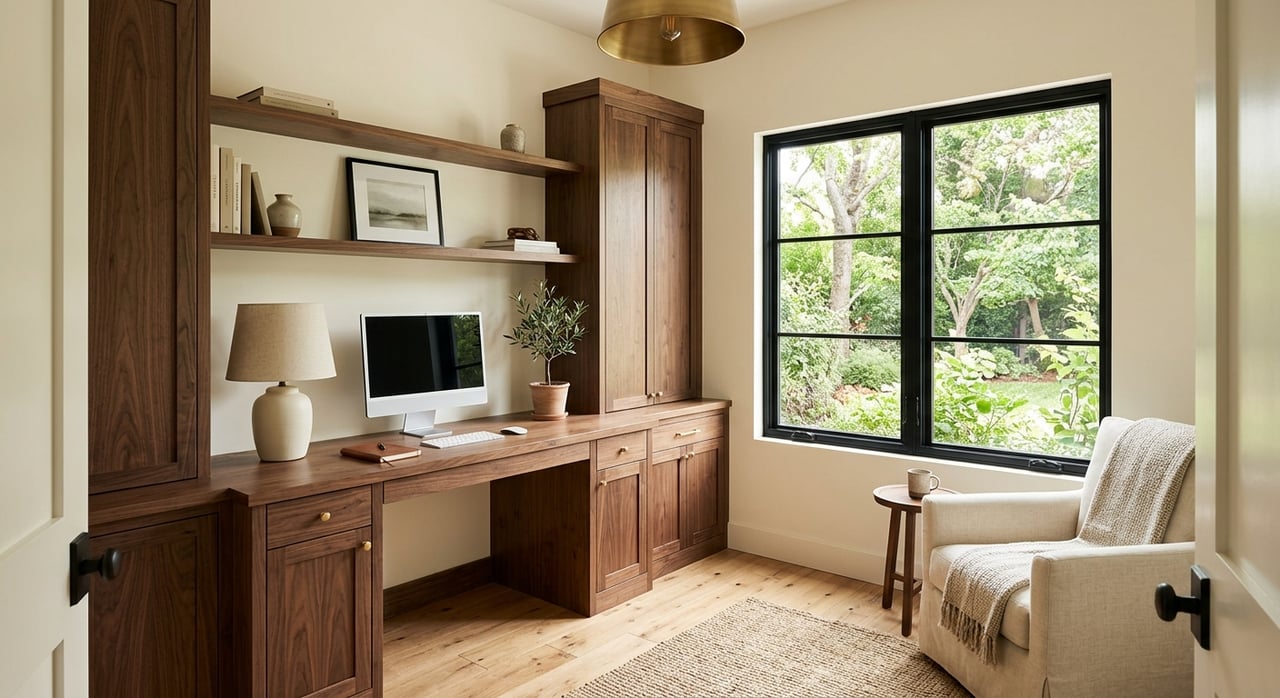
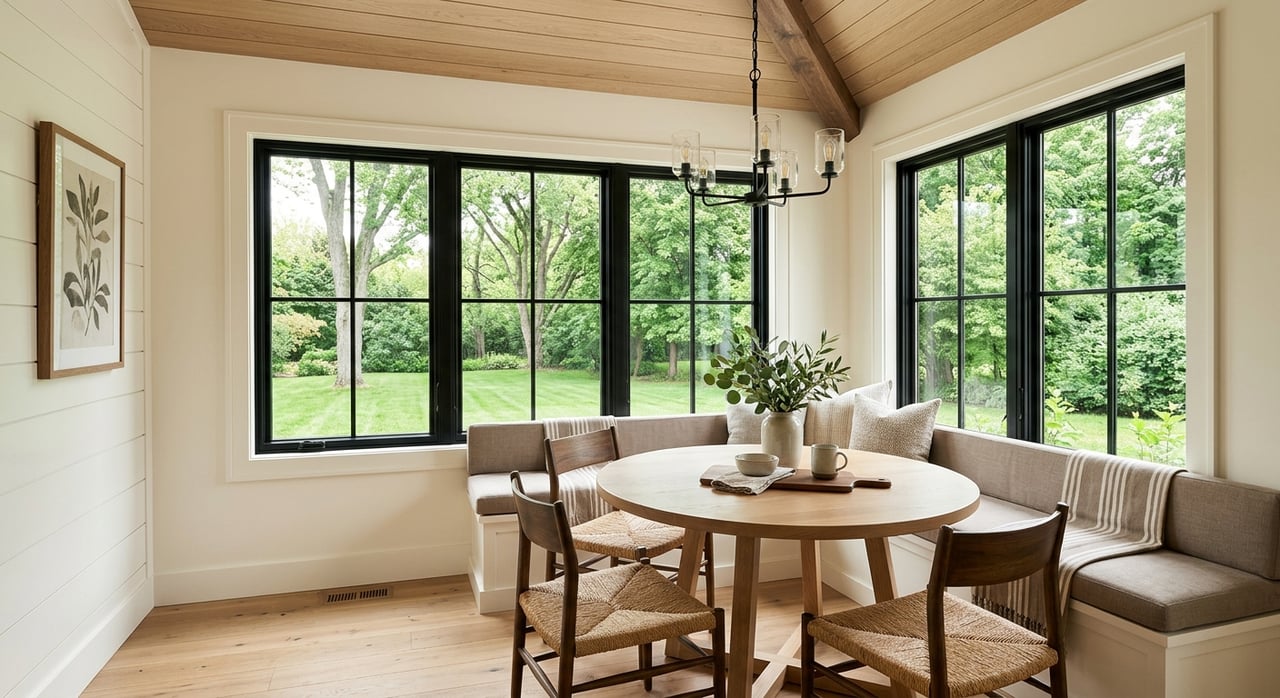
If you want to keep costs in check, I have a DIY Staging Guide that walks you through how to use what you already own (or close to it) to get your home photo-ready. Start with the rooms that pull the most weight — NAR data points to the living room, primary bedroom, and dining room. If those feel clean, open, and easy to read, buyers connect with the rest of the home more easily.
Get Disclosures Organized Early
A smoother sale often starts with paperwork before your home even goes live. Gathering manuals, warranties, repair records, and disclosure forms early saves time once offers come in — and it makes you look organized to the buyer's side, which builds confidence.
In Michigan, the Seller Disclosure Act applies to most transfers of one to four residential units and requires a written seller disclosure before a binding purchase agreement is signed. The form isn't a warranty, but it's a meaningful part of the transaction.
If your home was built before 1978, federal law also requires disclosure of known lead-based paint information, any available records or reports, a lead warning statement, and an inspection period for the buyer.
Get this stuff together early. Future-you will thank you.
A Practical Rockford Seller Checklist
If you're wondering where to start, keep it simple:
Why the Right Strategy Matters
Selling a home is part pricing exercise, part marketing exercise, part problem-solving. In Rockford, where demand is solid but buyers have plenty of information to compare quickly, the homes that perform best are the ones that feel well-prepared and well-priced from day one.
That's where a calm, local strategy makes a real difference. Realistic pricing, strong presentation, and clear planning — combine those three and you give yourself a much better shot at attracting serious buyers without the unnecessary stress. Especially if you're also juggling a purchase or coordinating timing around another move.
If you're getting ready to sell in Rockford and want a plan built around your specific home, timing, and goals — that's exactly the kind of work I love doing.
FAQs
Do I need a pre-sale inspection before selling my Rockford home? No. It's not required, but it can surface issues with the roof, structure, plumbing, electrical, or HVAC so you can decide whether to repair, credit, or adjust your pricing accordingly. However, keep in mind, whatever you know as a result of a pre-listing inspection, you are now obligated to disclose on the seller disclosure form that is provided to buyers.
Do I need full staging to sell my Rockford home? No. Staging helps buyers visualize, but decluttering, deep cleaning, and fixing obvious flaws can get you most of the way there if you want a lower-cost approach. I can come in after you take those steps and add some "fluff" as I like to call it.
Should I price my Rockford home high to leave room for negotiation? No. Today's buyers assume they'll need to compete for the right home — but if your sticker price already feels high, they'll rule it out before they ever schedule a showing. Rockford buyers are active but price-sensitive. An inflated list price usually leads to more time on market and less momentum.
What disclosures matter when selling a home in Michigan? You're required to provide a seller disclosure form, filled out to the best of your ability, before a binding purchase agreement is signed (or within 72 hours of an executed contract). If the home was built before 1978, federal lead-based paint disclosure rules also apply in most cases.
How fast are homes selling in Rockford right now? Recent 2026 reports show homes going pending or selling in roughly 7 to 33 days depending on the source — so correctly priced homes can still move fairly quickly.
What rooms should I focus on first before listing my Rockford home? If time or budget is limited, focus on the front entry, kitchen, main living area, primary bedroom, and dining room. Those drive photos, first impressions, and buyer interest.

Discover a real estate experience defined by trust, expertise, and heartfelt dedication. We lifelong understanding of what “home” truly means guides every client and every decision.